
FPV Drones: Flying into the Future

By Apex Company - 21/06/2024 - 0 comments
What Is an FPV Drone?
An FPV (First Person View) drone is an unmanned aerial vehicle equipped with a camera that transmits real-time video to a screen or FPV goggles worn by the pilot. This creates a "first-person flight" experience, as if you are actually inside the drone. FPV technology is widely used in drone racing, filmmaking, rescue operations, and for recreational flying.
How Does an FPV System Work?
An FPV system consists of several key components:
-
FPV Camera – captures real-time video;
-
Video Transmitter (VTX) – sends the video signal from the camera to the receiver;
-
FPV Goggles or Monitor – lets you see what the drone sees;
-
Antennas – ensure stable and long-range signal transmission;
-
Flight Controller – manages the drone’s movement and dynamics.
Advantages of FPV Drones
-
Full Immersion in Flight – thanks to FPV goggles, you see through the drone’s eyes.
-
High Maneuverability – ideal for racing or capturing dynamic shots.
-
Fast Response Time – minimal video latency allows precise control.
-
Creative Freedom – capture unique videos from never-before-seen angles.
FPV Drones in Various Fields
-
Filmmaking – used for dynamic scenes that were previously impossible to capture.
-
Drone Racing – a next-gen sport where pilots compete at high speeds on 3D tracks.
-
Rescue Services – inspect hard-to-reach areas without putting people at risk.
-
Agriculture and Industry – monitor crop conditions, pipelines, communication towers, etc.
How to Choose Your First FPV Drone
When selecting your first FPV drone, consider the following:
-
Drone Type – Ready-To-Fly (RTF) or Do-It-Yourself (DIY) kits.
-
Video Transmission Frequency – 5.8 GHz is a good balance between quality and range.
-
Battery and Flight Time – larger capacity means longer flights.
-
Size and Weight – smaller drones are easier to learn on, larger ones are more stable.
-
Budget – entry-level FPV drones typically cost between $150–$300.
Safety and Regulations
Before flying an FPV drone, always:
-
Register your drone if required by your country’s laws.
-
Avoid flying in restricted areas (e.g., near airports or military bases).
-
Maintain visual line of sight with your drone (or use a spotter).
Conclusion
FPV drones are more than just a hobby — they’re a technological breakthrough. They offer an exhilarating flight experience, open new creative opportunities, and broaden the use cases for unmanned systems. If you’re looking for innovation, excitement, and freedom — FPV drones are for you!
Blog
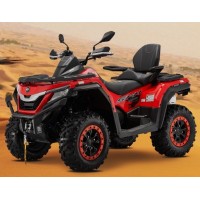
The World of ATVs: Selection, Uses, and Safety Guidelines
1. The Essence of an ATV and Its Advantages over Other Vehicles ATV (All-Terrain Vehicle) — is a four-wheeled vehicle designed for navigating rough terrain and off-road conditions. Its main advanta..
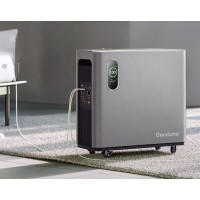
How to Choose the Right Home Energy Storage System
Energy storage systems based on lithium iron phosphate (LiFePO₄) batteries have become an essential component of modern energy infrastructure. They allow users to store surplus electricity generated b..
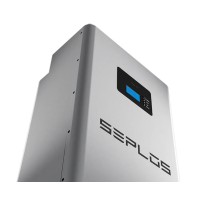
New Product in Our Range — Seplos MASON 280L (30Y) 314Ah
Our power supply systems range now includes a new high-capacity lithium-iron-phosphate battery Seplos MASON 280L (30Y) 314Ah (51.2 V, 314 Ah). It is designed for energy storage systems (ESS), hybrid a..
Featured
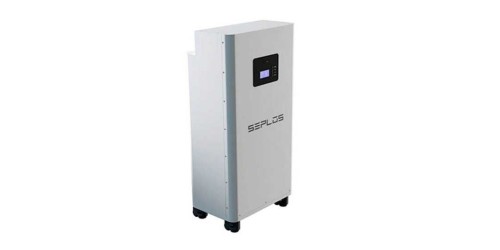
Seplos MASON 280L (30Y) 314Ah Rechargeable Battery
SEPLOS Mason 280L (3.0Y) 314 Ah — 16 kWh Industria..
DJI Mavic 3 Enterprise + Річна страховка (DJI Care)
DJI Mavic 3 Enterprise – a Compact Drone for Speci..
Comments
Write a comment